
Safety Data Sheets / Alcian Blue 8GX, C.I. 74240
Safety Data Sheet
Alcian Blue 8GX, C.I. 74240
1. Identification
Product Identifiers
- Product Name
- Alcian Blue 8GX, C.I. 74240
- Other Names
- Ingrain Blue I; Alcian Blue 8GX Certified.
- Product Number(s)
- C063, C0631, C0635
- CAS Number
- 33864-99-2
Recommended use of the chemical and restriction on use
Laboratory use.
Company Details
ProSciTech Pty Ltd
11 Carlton Street
KIRWAN QLD 4817
Australia
(07) 4773 9444
pst@proscitech.com
proscitech.com.au
11 Carlton Street
KIRWAN QLD 4817
Australia
(07) 4773 9444
pst@proscitech.com
proscitech.com.au
Emergency Contact Details
ProSciTech Pty Ltd
11 Carlton Street
KIRWAN QLD 4817
Australia
(07) 4773 9444
pst@proscitech.com
proscitech.com.au
11 Carlton Street
KIRWAN QLD 4817
Australia
(07) 4773 9444
pst@proscitech.com
proscitech.com.au
2. Hazards Identification
Classification of the substance or mixture
- - Serious eye damage/eye irritation, Cat. 2A
- - Skin corrosion/irritation, Cat. 2
- - Specific target organ toxicity following single exposure, Cat. 3
Label Elements
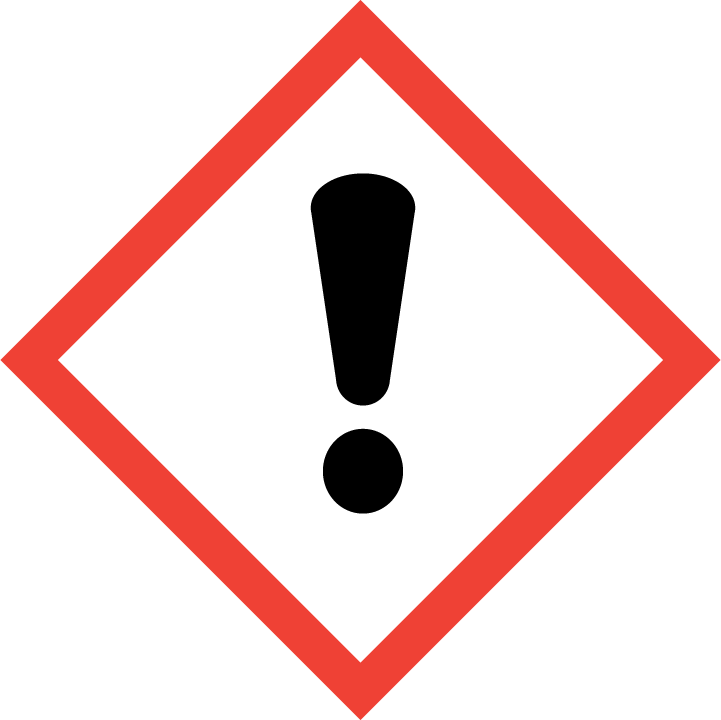
- Signal Words
- Warning
- Hazard Statement(s)
- H315 Causes skin irritation
- H319 Causes serious eye irritation
- H335 May cause respiratory irritation
- H336 May cause drowsiness or dizziness
- Precautionary Statement(s)
- P261 Avoid breathing dust/fume/gas/mist/vapors/spray.
- P264 Wash hands thoroughly after handling.
- P271 Use only outdoors or in a well-ventilated area.
- P280 Wear protective gloves/protective clothing/eye protection/face protection
Primary route(s) of entry
When handling pure Alcian Blue 8GX solid powder, inhalation of airborne dust is the primary concern.
Human Health
- Inhalation
- P304+P340 IF INHALED: Remove person to fresh air and keep comfortable for breathing.
- Ingestion
- May cause irritation of the digestive tract.
- Eyes
- P305+P351+P338 IF IN EYES: Rinse cautiously with water for several minutes. Remove contact lenses, if present and easy to do. Continue rinsing.
- P337+P313 If eye irritation persists: Get medical advice/attention.
- Skin
- P302+P352 IF ON SKIN: Wash with plenty of water/soap
- P332+P313 If skin irritation occurs: Get medical advice/attention.
- P362+P364 Take off contaminated clothing and wash it before reuse.
Environment
Not available.
- Other Hazards
- P403+P233 Store in a well-ventilated place. Keep container tightly closed.
- P405 Store locked up.
- P501 Dispose of contents/container to an approved waste disposal facility
3. Composition / Information on Ingredients
| Name | CAS No. | Content (w/w) | Classification |
|---|---|---|---|
| Alcian Blue 8GX | 33864-99-2 | 98% | Serious eye damage/eye irritation, Cat. 2A; Skin corrosion/irritation, Cat. 2; Specific target organ toxicity following single exposure, Cat. 3. HAZARDS: H315 - Causes skin irritation; H319 - Causes serious eye irritation; H335 - May cause respiratory irritation; H336 - May cause drowsiness or dizziness. |
4. First Aid Measures
- Ingestion
- Rinse mouth thoroughly with water immediately, repeat until all traces of product have been removed. DO NOT INDUCE VOMITING. Seek medical advice if effects persist.
- Inhalation
- If inhaled, remove from contaminated area to fresh air immediately. Apply artificial respiration if not breathing. If breathing is difficult, give oxygen. Get medical aid if cough or other symptoms appear.
- Skin Contact
- If contact, flush skin with plenty of soap and water.
- Eye Contact
- If contact with the eye(s) occurs, wash with copious amounts of water for approximately 15 minutes holding eyelid(s) open. Take care not to rinse contaminated water into the non-affected eye. If persistent irritation occurs, obtain medical attention.
- Other Information
- Treat symptomatically and supportively.
- First Aid Facilities: Maintain eyewash fountain and drench facilities in work area.
5. Firefighting Measures
Suitable extinguishing equipment
- Fire
- Use water spray, dry chemical, carbon dioxide, or alcohol-resistant foam.
- Large Fire
- Use water spray, fog or foam.
- HAZCHEM
- Hazardous decomposition products formed under fire conditions. - Carbon oxides, Nitrogen oxides (NOx), Sulphur oxides, Hydrogen chloride gas, Copper oxides.
Special protective equipment and precautions for fire fighters
As in any fire, wear a self-contained breathing apparatus in pressure-demand, MSHA/NIOSH approved or equivalent, and full protective gear.
6. Accidental Release Measures
- Personal precautions, protective equipment and emergency procedures
- Use proper personal protective equipment as indicated in Section 8.
- Environmental precautions
- Runoff from fire control or dilution water may cause pollution.
- Methods and materials for containment and clean up
- Vacuum or sweep up material and place into a suitable disposal container. Clean up spills immediately, observing precautions in the Protective Equipment section. Avoid generating dusty conditions. Provide ventilation.
7. Handling and Storage
- Precautions for safe handling
- Avoid ingestion and inhalation of vapours, or dust. Avoid contact with eyes, skin, and clothing. Avoid prolonged or repeated exposure. Minimize dust generation and accumulation. Keep containers closed when not in use. Use with adequate ventilation. In case of insufficient ventilation, wear suitable respiratory equipment. If you feel unwell, seek medical attention and show the label when possible. Wear appropriate protective equipment. Wash thoroughly after handling. Protect against physical damage. Keep container dry.
- Conditions for safe storage
- Store in suitable, labelled, tightly closed containers, in a cool, dry, well-ventilated area away from incompatible substances. Store away from oxidizing agents. Protect against physical damage. Keep well protected from direct sunlight and moisture. Keep away from heat. Containers of this material may be hazardous when empty since they retain product residues (dust, solids); observe all warnings and precautions listed for the product.
8. Exposure Controls / Personal Protection
Exposure Standards
- Engineering controls
- Facilities storing or utilising this material should be equipped with an eyewash facility and safety shower. Use adequate ventilation to keep airborne concentrations low.
Personal protective equipment
- Eye and face protection
- Wear appropriate protective eyeglasses or chemical safety goggles as described by OSHA's eye and face protection regulations in 29 CFR 1910.133 or European Standard EN166.
- Skin protection
- Wear appropriate protective gloves to prevent skin exposure.
- Clean impervious clothing should be worn. Clothing for protection against chemicals should comply with AS 3765 Clothing for Protection Against Hazardous Chemicals.
- Body protection
- Wear appropriate protective clothing to prevent skin exposure.
- Footwear: Safety boots in industrial situations is advisory, foot protection should comply with AS 2210, Occupational protective footwear - Guide to selection, care and use.
- Respiratory protection
- If engineering controls are not effective in controlling airborne exposure then an approved respirator with a replaceable vapor/ mist filter should be used. Refer to relevant regulations for further information concerning respiratory protective requirements. Reference should be made to Australian Standards AS/ NZS 1715, Selection, Use and Maintenance of Respiratory Protective Devices; and AS/NZS 1716, Respiratory Protective Devices, in order to make any necessary changes for individual circumstances.
9. Physical and Chemical Properties
General information
- Appearance
- Greenish black with metallic sheen solid.
- Odour
- Odorless
- pH
- Not available.
- Vapour Pressure
- Negligible.
- Density
- Not available.
- Boiling Point
- Not available.
- Melting Point
- 148 deg C
- Solubility
- Moderately soluble.
- Specific Gravity of Density
- Not available.
- Flash Point
- Not available.
- Flammable (Explosive) Limits
- Not available.
- Ignition Temperature
- Not available.
- Formula
- C56H68Cl4CuN16S4
10. Stability and Reactivity
- Reactivity
- No further relevant information available.
- Chemical stability
- Stable at room temp in closed containers under normal storage and handling conditions.
- Possibility of hazardous reactions
- Reactive with oxidizing agents.
- Conditions to avoid
- Incompatible materials, dust generation, excess heat, light.
- Incompatible materials
- Strong acids and bases, strong oxidisers and strong reducing agents.
11. Toxicological Information
- Acute effects
- Ingestion: Ingestion of large amounts may cause gastrointestinal irritation with nausea, vomiting and diarrhoea.
- Inhalation: May cause respiratory tract irritation. Symptoms may include coughing and shortness of breath.
- Eye contact
- Dust may cause mechanical irritation. This product contains an anionic dye. Similar dyes have not caused injury to the cornea or conjunctiva in documented exposure cases with human or rabbit eyes.
- Skin contact
- May cause skin irritation, with redness, itchiness and pain. May be harmful if absorbed through the skin.
- Ingestion
- No further relevant information available.
- Inhalation
- No further relevant information available.
- Chronic effects
- Germ cell mutagenicity: Not classified based on available information.
- Mutagenicity: Not classified based on available information.
- Toxicity and irritation
- Carcinogenicity: Not classified based on available information.
- Reproductive toxicity: Not classified based on available information.
- Specific target organ toxicity (STOT) - single exposure:
- May cause respiratory irritation.
- May cause drowsiness or dizziness
- Specific target organ toxicity (STOT) - repeated exposure: Not classified based on available information.
- Aspiration hazard: Not classified based on available information.
12. Ecological Information
- Ecotoxicity
- No further relevant information available.
- Persistence and degradability
- No further relevant information available.
- Bioaccumulative potential
- No further relevant information available.
- Other adverse effects
- No further relevant information available.
13. Disposal Considerations
General information
Chemical waste generators must determine whether a discarded chemical is classified as a hazardous waste.US EPA guidelines for the classification determination are listed in 40 CFR Parts 261.3. Additionally, waste generators must consult state and local hazardous waste regulations to ensure complete and accurate classification.
14. Transport Information
ADG label required
- HAZCHEM
- Hazardous decomposition products formed under fire conditions. - Carbon oxides, Nitrogen oxides (NOx), Sulphur oxides, Hydrogen chloride gas, Copper oxides.
- UN Number
- None
- Proper shipping name
- Not regulated.
- Transport hazard class
- 0
- Packing group
- None.
- Environmental hazard
- No information available.
- Special precautions for users
- Not regulated.
- Additional information
- No information available.
15. Regulatory Information
- Poisons Schedule Number
- Not listed.
- Other Information
- No further relevant information available.
16. Other Information
- SDS preparation date
- 17 February 2026
- Comments
- This information is based on our present knowledge. However, this shall not constitute a guarantee for any specific product features and shall not establish a legally valid contractual relationship.