
Safety Data Sheets / Methanol (Methyl Alcohol)
Safety Data Sheet
Methanol (Methyl Alcohol)
1. Identification
Product Identifiers
- Product Name
- Methanol (Methyl Alcohol)
- Other Names
- Methyl Alcohol
- Product Number(s)
- 179337, 18510, 18511, CMZ-179305, CMZ-179310, CMZ-179325, EMS18510, EMS18511
- CAS Number
- 67-56-1
Recommended use of the chemical and restriction on use
Laboratory chemicals. For R&D use only. Not for pharmaceutical, household or other uses.
Company Details
ProSciTech Pty Ltd
11 Carlton Street
KIRWAN QLD 4817
Australia
(07) 4773 9444
pst@proscitech.com
proscitech.com.au
11 Carlton Street
KIRWAN QLD 4817
Australia
(07) 4773 9444
pst@proscitech.com
proscitech.com.au
Emergency Contact Details
ProSciTech Pty Ltd
11 Carlton Street
KIRWAN QLD 4817
Australia
(07) 4773 9444
pst@proscitech.com
proscitech.com.au
11 Carlton Street
KIRWAN QLD 4817
Australia
(07) 4773 9444
pst@proscitech.com
proscitech.com.au
2. Hazards Identification
Classification of the substance or mixture
- GHS02 Flame
- Flammable liquids 2 H225 Highly flammable liquid and vapour
- GHS08 Health Hazard
- STOT SE 1 H370 Causes damage tot the central nervous system and the visual organs
- GHS07
- Acute Tox 4. H302 Harmful if swallowed
- Acute Tox 4. H312 Harmful in contact with skin
- Acute Tox 4. H332 Harmful if inhaled
Label Elements
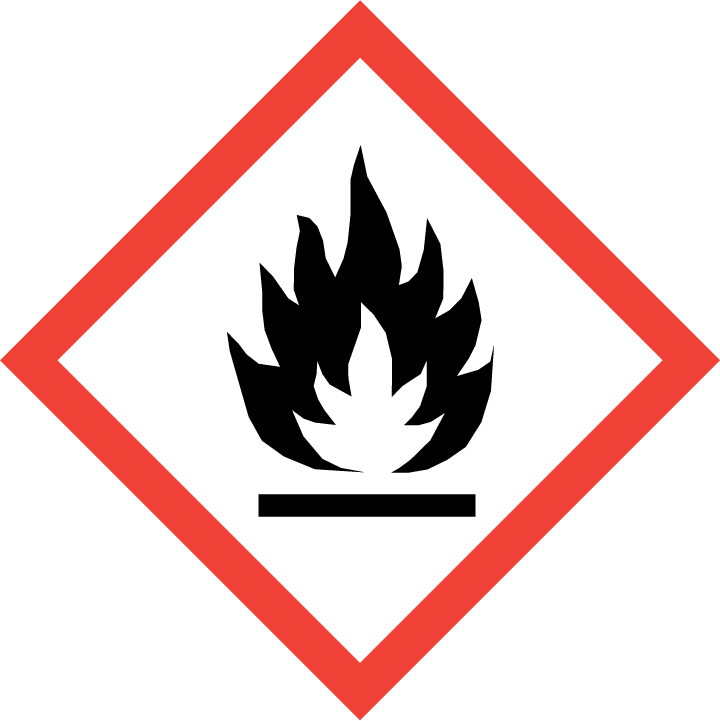
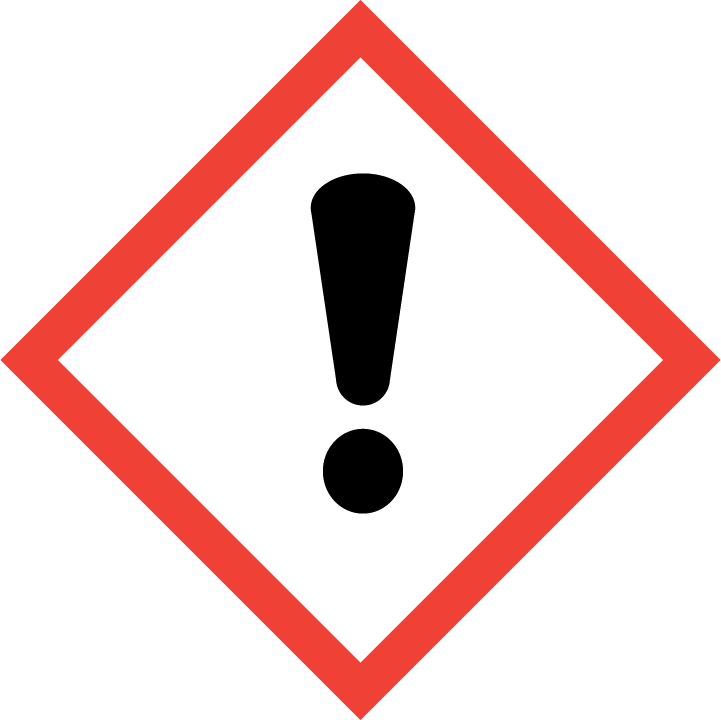
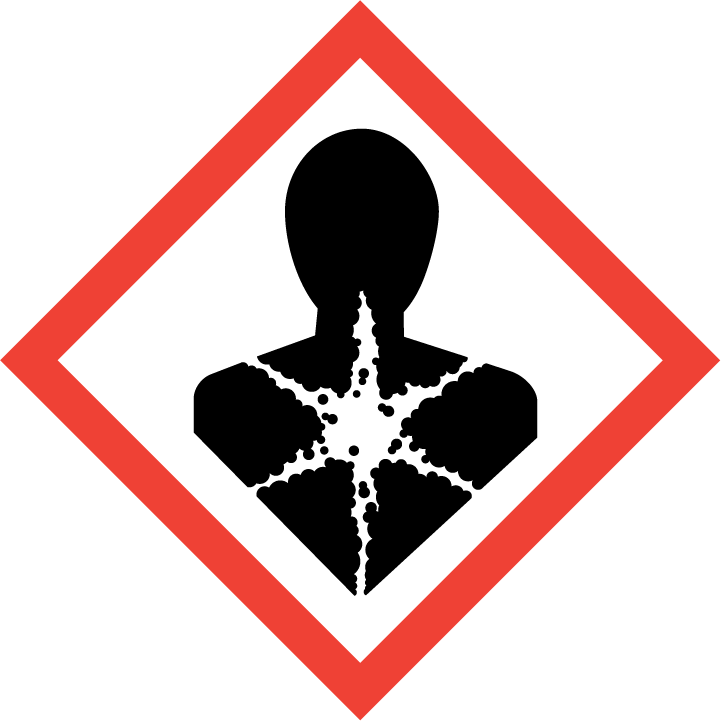
- Signal Words
- Danger
- Hazard Statement(s)
- Highly flammable liquid and vapour.
- Toxic if swallowed, in contact with skin or if inhaled.
- Causes damage to organs (Eyes, Central nervous system).
- Precautionary Statement(s)
- Keep away from heat/sparks/open flames/hot surfaces. - No smoking.
- Keep container tightly closed.
- Ground/bond container and receiving equipment.
- Use explosion-proof electrical/ventilating/lighting/equipment.
- Use only non-sparking tools.
- Take precautionary measures against static discharge.
- Do not breathe dust/fume/gas/mist/vapours/spray.
- Wash thoroughly after handling.
- Do not eat, drink or smoke when using this product.
- Use only outdoors or in a well-ventilated area.
- Wear protective gloves/protective clothing/eye protection/face protection
Primary route(s) of entry
inhalation, ingestion and dermal absorption. Methanol vapours may be inhaled, while liquid methanol can be absorbed through the skin or enter the body through accidental ingestion. Eye contact may also result in exposure.
Human Health
- Inhalation
- Remove person to fresh air and keep comfortable for breathing.IF exposed: Call a POISON CENTER or doctor/physician.
- Ingestion
- Call a poison center/doctor if you feel unwell.IF exposed: Call a POISON CENTER or doctor/physician. Rinse mouth.
- Eyes
- IF exposed: Call a POISON CENTER or doctor/physician.
- Skin
- Take off immediately all contaminated clothing. Rinse skin with water/shower IF exposed: Call a POISON CENTER or doctor/physician.
Environment
- Storage:
- Store in a well-ventilated place. Keep container tightly closed.
- Store in a well-ventilated place. Keep cool.
- Store locked up.
- Disposal:
- Dispose of contents/ container to an approved waste disposal plant.
- Dispose of contents/container in accordance with local/regional/national/international regulations.
- Other Hazards
- In case of fire: Use dry sand, dry chemical or alcohol-resistant foam to extinguish.
3. Composition / Information on Ingredients
| Name | CAS No. | Content (w/w) | Classification |
|---|---|---|---|
| Methyl Alcohol | 67-56-1 | ≥ 60 - ≤ 100% | Not Available |
4. First Aid Measures
- Ingestion
- Immediately contact the Poisons Information Centre (13 11 26) or seek urgent medical attention. Rinse mouth with water. Do NOT induce vomiting. Never give anything by mouth to an unconscious person. Obtain immediate medical attention, even if symptoms are not present, as toxic effects may be delayed. Methanol ingestion may cause severe systemic toxicity, including metabolic acidosis, visual impairment, blindness and potentially death.
- Inhalation
- Supply fresh air or oxygen; call for doctor.
- In case of unconsciousness place patient stably in side position for transportation
- Skin Contact
- Immediately wash with water and soap and rinse thoroughly
- Eye Contact
- Rinse opened eye for several minutes under running water. Then consult a doctor
- Other Information
- No further relevant information available
5. Firefighting Measures
Suitable extinguishing equipment
- Fire
- CO₂, extinguishing powder or water spray. Fight larger fires with water spray or alcohol resistant foam.
- Hazardous combustion products: Carbon oxides.
- HAZCHEM
- •2WE
Special protective equipment and precautions for fire fighters
- Mouth respiratory protective device.
- Pay attention to flashback.
- Vapours are heavier than air and may spread along floors.
- Development of hazardous combustion gases or vapours possible in the event of fire.
- Forms explosive mixtures with air at ambient temperatures.
- Specific extinguishing methods: Remove container from danger zone and cool with water.
- Prevent fire extinguishing water from contaminating surface water or the ground water system.
- Specific extinguishing methods: Remove container from danger zone and cool with water.
- Prevent fire extinguishing water from contaminating surface water or the ground water system.
6. Accidental Release Measures
- Personal precautions, protective equipment and emergency procedures
- Advice for non-emergency personnel: Do not breathe vapours, aerosols.
- Avoid substance contact.
- Ensure adequate ventilation.
- Keep away from heat and sources of ignition.
- Evacuate the danger area, observe emergency procedures, consult an expert.
- Advice for emergency responders: Wear appropriate personal protective equipment, as indicated in Section 8.
- Environmental precautions
- Dilute with plenty of water.
- Do not allow to enter sewers/ surface or ground water.
- Risk of explosion.
- Methods and materials for containment and clean up
- Absorb with liquid-binding material (sand, diatomite, acid binders, universal binders, sawdust
- Dispose contaminated material as waste according to item 13.
- Ensure adequate ventilation. Cover drains. Collect, bind, and pump off spills.
7. Handling and Storage
- Precautions for safe handling
- Ensure good ventilation/exhaustion at the workplace.
- Open and handle receptacle with care.
- Prevent formation of aerosols.
- Keep away from open flames, hot surfaces and sources of ignition.
- Take precautionary measures against static discharge.
- Conditions for safe storage
- Keep receptacle tightly sealed.
- Store in cool, dry conditions in well sealed receptacles.
- Keep container tightly closed in a dry and wellventilated place.
- Keep away from heat and sources of ignition.
- Keep locked up or in an area accessible only to qualified or authorised persons.
- Storage class : 3, Flammable liquids
- Recommended storage temperature: Recommended storage temperature if relevant, see product label.
- Packaging material: Suitable material: Any Metal Drum
8. Exposure Controls / Personal Protection
Exposure Standards
| Material | TWA ppm | TWA mg/m³ | STEL ppm | STEL mg/m³ |
|---|---|---|---|---|
| Methanol | 200 ppm | 262 mg/m3 | 250 ppm | 328 mg/m3 |
- Engineering controls
- No data available.
Personal protective equipment
- Eye and face protection
- Tightly sealed goggles
- Skin protection
- Protective gloves
- Body protection
- Protective clothing
- Respiratory protection
- In case of brief exposure or low pollution use respiratory filter device. In case of intensive or longer
- exposure use respiratory protective device that is independent of circulating air
9. Physical and Chemical Properties
General information
- Appearance
- Colourless fluid
- Odour
- Alcohol-like
- pH
- Not determined
- Vapour Pressure
- 128 hPa (96 mm Hg) at 20 °C (68 °F)
- Density
- 0.79 g/cm³ (6.59255 lbs/gal) at 20 °C (68 °F)
- Boiling Point
- 64.7 °C (148.5 °F)
- Melting Point
- -98 °C (-144.4 °F)
- Solubility
- Fully miscible.
- Specific Gravity of Density
- Not determined.
- Flash Point
- 11 °C (51.8 °F)
- Flammable (Explosive) Limits
- Lower 5.5 Vol %, Upper 44 Vol %
- Ignition Temperature
- 455 °C (851 °F)
- Formula
- CH3OH
10. Stability and Reactivity
- Reactivity
- Vapours may form explosive mixture with air.
- Chemical stability
- No decomposition if used according to specifications.
- Possibility of hazardous reactions
- Risk of explosion with:
- Oxidizing agents
- perchloric acid
- perchlorates
- salts of oxyhalogenic acids
- chromium(VI) oxide
- halogen oxides
- nitrogen oxides
- nonmetallic oxides
- chromosulfuric acid
- chlorates
- hydrides
- zinc diethyl
- halogens
- powdered magnesium
- hydrogen peroxide
- Nitric acid
- sulfuric acid
- permanganic acid
- sodium hypochlorite
- Exothermic reaction with:
- acid halides
- Acid anhydrides
- Reducing agents
- acids
- Bromine
- Chlorine
- Chloroform
- magnesium
- tetrachloromethane
- Risk of ignition or formation of inflammable gases or
- vapours with:
- Fluorine
- Oxides of phosphorus
- Raney-nickel
- Generates dangerous gases or fumes in contact with:
- Alkaline earth metals
- Alkali metals
- Conditions to avoid
- Warming.
- Incompatible materials
- No further relevant information available
11. Toxicological Information
- Acute effects
- Acute toxicity estimate Oral - 100.1 mg/kg
- (Expert judgement)
- Remarks: Classified according to Regulation (EU) 1272/2008, Annex VI (Table 3.1/3.2)
- Symptoms: Nausea, Vomiting
- Acute toxicity estimate Inhalation - 4 h - 3.1 mg/l - vapour
- (Expert judgement)
- Remarks: Classified according to Regulation (EU) 1272/2008, Annex VI (Table 3.1/3.2)
- Symptoms: Irritation symptoms in the respiratory tract.
- Acute toxicity estimate Dermal - 300.1 mg/kg
- (Expert judgement)
- Remarks: Classified according to Regulation (EU) 1272/2008, Annex VI (Table 3.1/3.2)
- Eye contact
- Eyes - Rabbit
- Result: No eye irritation
- Remarks: (ECHA)
- Skin contact
- Skin - Rabbit
- Result: No skin irritation
- SIGALD- 179337 Page 11 of 17
- The life science business of Merck operates as MilliporeSigma in the US and Canada
- Remarks: (ECHA)
- Remarks: Drying-out effect resulting in rough and chapped skin.
- Ingestion
- No irritant effect
- Inhalation
- No irritant effect
- Chronic effects
- Acute effects:, Headache, Dizziness, Drowsiness, narcosis, Blindness, Impairment of vision, irritant effects, Nausea, Vomiting, agitation, spasms, inebriation, Coma, Drying-out effect resulting in rough and chapped skin.
- To the best of our knowledge, the chemical, physical, and toxicological properties have not been thoroughly investigated.
- Systemic effects:
- acidosis, drop in blood pressure, agitation, spasms, inebriation, Dizziness, Drowsiness, Headache, Impairment of vision, Blindness, narcosis, Coma, Symptoms may be delayed.
- Damage to:
- Liver, Kidney, Cardiac
- Irreversible damage of the optical nerve.
- Other dangerous properties can not be excluded.
- This substance should be handled with particular care.
- Toxicity and irritation
- Germ cell mutagenicity
- Based on available data the classification criteria are not met.
- Test Type: Ames test
- Test system: Salmonella typhimurium
- Metabolic activation: with and without metabolic activation
- Method: OECD Test Guideline 471
- Result: negative
- Test Type: In vitro mammalian cell gene mutation test
- Test system: Chinese hamster lung cells
- Metabolic activation: with and without metabolic activation
- Method: OECD Test Guideline 476
- Result: negative
- Test Type: Micronucleus test
- Species: Mouse
- Cell type: Bone marrow
- Application Route: Intraperitoneal injection
- Method: OECD Test Guideline 474
- Result: negative
- Carcinogenicity
- Did not show carcinogenic effects in animal experiments.
- Reproductive toxicity
- Based on available data the classification criteria are not met.
- Specific target organ toxicity - single exposure
- Causes damage to organs. - Eyes, Central nervous system
- Remarks: Classified according to Regulation (EU) 1272/2008, Annex VI (Table 3.1/3.2)
- Specific target organ toxicity - repeated exposure
- No data available
- Aspiration hazard
- No data available
12. Ecological Information
- Ecotoxicity
- Toxicity to fish : LC50 (Lepomis macrochirus (Bluegill)): 15,400.0 mg/l
- End point: mortality
- Exposure time: 96 h
- Test Type: flow-through test
- Analytical monitoring: yes
- Method: US-EPA
- Toxicity to daphnia and
- other aquatic invertebrates: EC50 (Daphnia magna (Water flea)): 18,260 mg/l
- End point: Immobilization
- Exposure time: 96 h
- Test Type: semi-static test
- Method: OECD Test Guideline 202
- Toxicity to algae/aquatic plants: ErC50 (Pseudokirchneriella subcapitata (green algae)): ca. 22,000.0 mg/l
- SIGALD- 179337 Page 13 of 17
- The life science business of Merck operates as MilliporeSigma in the US
- and Canada
- Exposure time: 96 h
- Test Type: static test
- Method: OECD Test Guideline 201
- Toxicity to fish (Chronic toxicity): NOEC (Oryzias latipes (Orange-red killifish)): 7,900
- mg/l
- Exposure time: 200 h
- Remarks: (External MSDS)
- Toxicity to microorganisms: IC50 (activated sludge): > 1,000 mg/l
- Exposure time: 3 h
- Test Type: static test
- Analytical monitoring: yes
- Method: OECD Test Guideline 209
- Persistence and degradability
- Biodegradability : Result: Readily biodegradable.
- Biodegradation: 99 %
- Exposure time: 30 d
- Method: OECD Test Guideline 301D
- Biochemical Oxygen Demand (BOD): 600 - 1,120 mg/g
- Incubation time: 5 d
- Remarks: (IUCLID)
- Chemical Oxygen Demand (COD): 1,420 mg/g
- Remarks: (IUCLID)
- ThOD : 1,500 mg/g
- Remarks: (Lit.)
- BOD/ThOD : 76 %
- Remarks: Closed Bottle test (IUCLID)
- Stability in water : Hydrolysis: 83 - 91 % at 19 °C(72 h)
- Remarks: Hydrolyses on contact with water.
- Hydrolyses readily.
- Degradation half life: 2.2 yr
- Remarks: reaction with hydroxyl radicals (IUCLID)
- Photodegradation : Degradation (direct photolysis): 50 % Degradation half life: 17.2 d
- Bioaccumulative potential
- Bioaccumulation : Species: Cyprinus carpio (Carp)
- Bioconcentration factor (BCF): 1.0
- Exposure time: 72 d
- Temperature: 20 °C
- Concentration: 5 mg/l
- Partition coefficient: noctanol/water
- : log Pow: -0.77 (25 °C)
- Method: (experimental)
- Remarks: (HSDB)
- Bioaccumulation is not expected.
- Mobility in soil
- Components:
- Methanol:
- Stability in soil : Remarks: Will not adsorb on soil.
- Other adverse effects
- Components:
- Methanol:
- Results of PBT and vPvB
- assessment
- : Not persistent, bioaccumulative, and toxic (PBT).
- Additional ecological information
- : Avoid release to the environment.
- Endocrine disrup
- Other adverse effects
- Water hazard class 2 (Assessment by list): hazardous for water
- Do not allow product to reach ground water, water course or sewage system.
- Danger to drinking water if even small quantities leak into the ground
13. Disposal Considerations
General information
Waste material must be disposed of in accordance with the national and local regulations. Leave chemicals in original containers. No mixing with other waste. Handle uncleaned containers like the product itself.
14. Transport Information
ADG label required
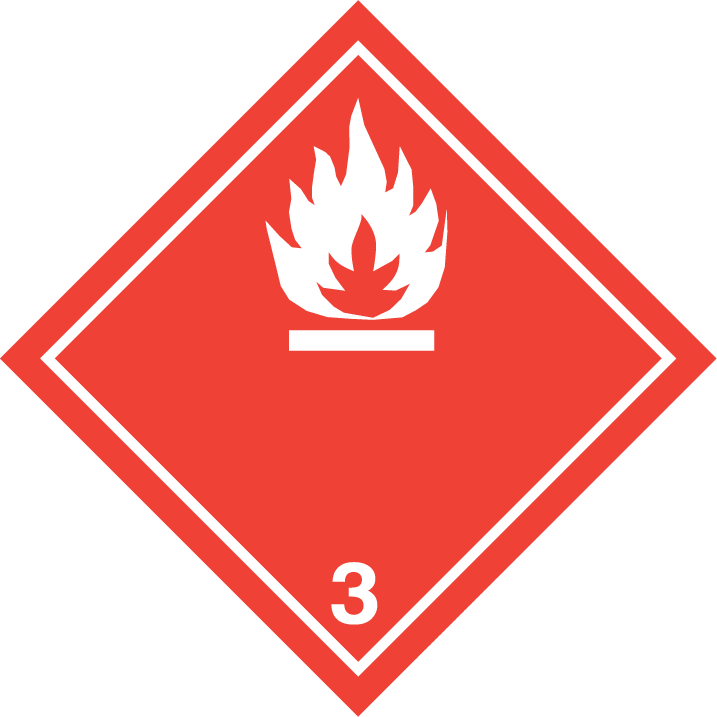
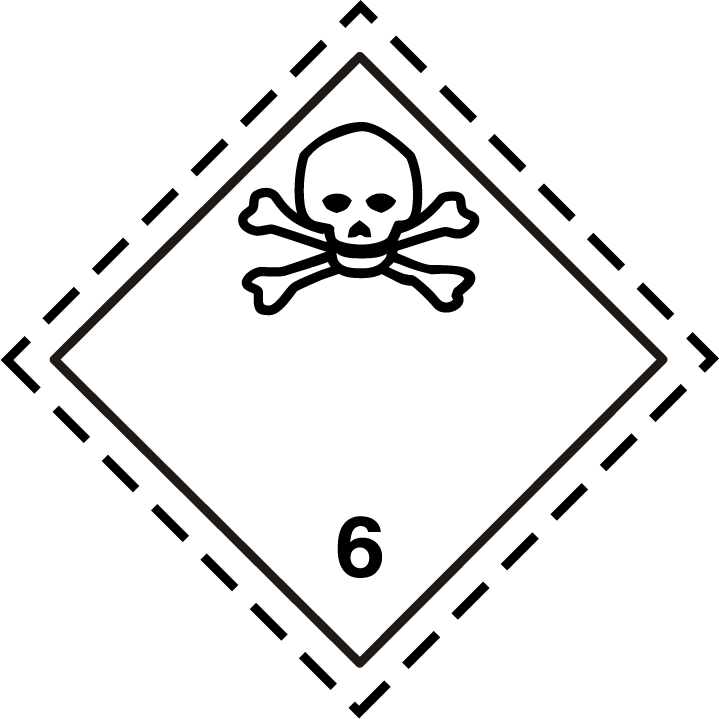
- HAZCHEM
- •2WE
- UN Number
- UN1230
- Proper shipping name
- Methanol
- Transport hazard class
- 3 Flammable liquids
- Packing group
- II
- Environmental hazard
- Not applicable.
- Special precautions for users
- Warning: Flammable liquids
- Additional information
- Not to be loaded with explosives (Class 1), flammable gases (Class 2.1), if both are in bulk, toxic gases (Class 2.3), spontaneously combustible substances (Class 4.2), oxidising agents (Class 5.1), organic peroxides (Class 5.2) or adioactive substances (Class 7), however exemptions may apply.
15. Regulatory Information
- Poisons Schedule Number
- Chemical Safety Assessment
- • Poison Schedule: S6
- • TWA (Time Weighted Average): The average airborne concentration of a particular substance when calculated over a normal eight hour working day, for a five-day week.
- • STEL (Short-Term Exposure Limit): The average airborne concentration over a 15-minute period which should not be exceeded at any time during a normal eight-hour work day.
- Other Information
- This information is based on our present knowledge. However, this shall not constitute a guarantee for any
- specific product features and shall not establish a legally valid contractual relationship.
16. Other Information
- SDS preparation date
- 9 November 2026
- References
- References
- 1. Safe Work Australia, Preparation of Safety Data Sheets for Hazardous Chemicals Code of Practice, (2011).
- 2. Safe Work Australia, National Code of Practice for the Labelling of Workplace Hazardous Chemicals (2015).
- 3. Safe Work Australia, Workplace Exposure Standards for Airborne Contaminants (2013).
- 4. National Transport Commission Australian Code for the Transport of Dangerous Goods by Road and Rail (ADG Code); Canprint: Canberra (2007), Volume 1, 7th Edition.
- 5. Standards Australia, Dangerous Goods Initial Emergency Response Guide: Australian Handbook (SAA/SNZ HB76); Homebush (2004).
- 6. Sigma-Aldrich SDS "Methanol". 08/09/2026 https://www.sigmaaldrich.com/AU/en/sds/sigald/179337?userType=anonymous.